
ASTM F3602-26 Tightens Nut Logging Rules
On June 29, 2026, ASTM International released ASTM F3602-26, introducing a new documentation and installation requirement for self-locking nuts used in high-vibration applications. The change centers on digital, real-time torque decay monitoring during installation and batch-level certified torque-log reports, with direct implications for suppliers, installers, procurement teams, and compliance-sensitive delivery chains serving rail fastening systems and offshore wind turbine towers. The issue deserves attention because it shifts torque performance from a product attribute alone to a traceable installation and shipment compliance matter.
What ASTM F3602-26 Now Requires
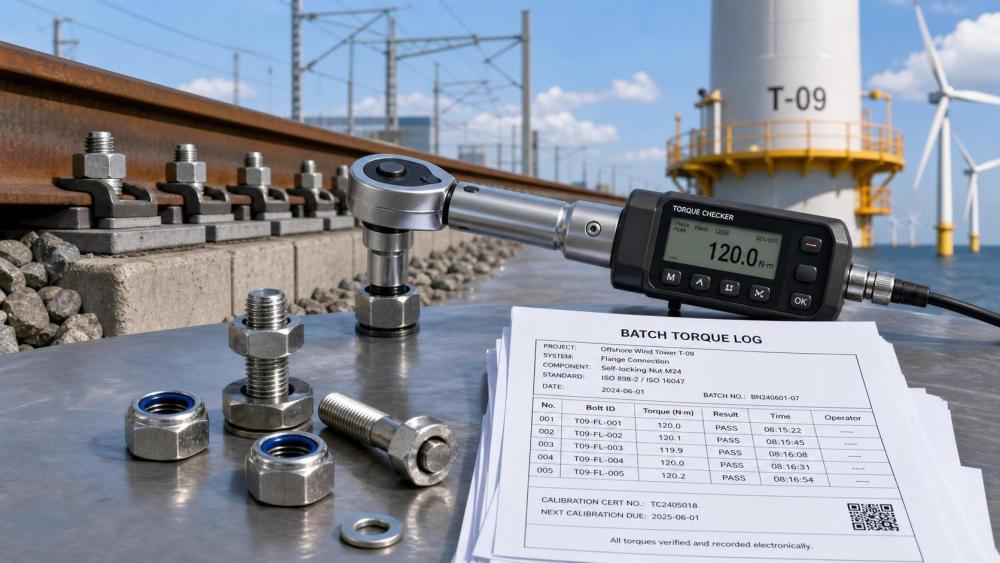
Based on the released information, ASTM F3602-26 applies to self-locking nuts used in high-vibration environments, including rail fastening systems and offshore wind turbine towers. The standard requires digital monitoring of torque decay in real time during installation. It also requires suppliers to provide certified torque-log reports for each batch. The summary further indicates that shipments that do not meet these requirements may face rejection by EU TSI and U.S. FRA-certified contractors.
Where the Compliance Pressure Is Likely to Appear First
Supply-side manufacturers and batch documentation teams
From an industry perspective, manufacturers and suppliers of self-locking nuts are the first group likely to feel the change because the new requirement is tied not only to the product itself but also to certified batch records. The practical impact is likely to appear in batch release files, quality documentation, and shipment readiness. What deserves closer attention is whether existing documentation packages are sufficient to support certified torque-log reporting for each batch shipped into projects with strict contractor acceptance conditions.
Installation contractors in vibration-critical projects
For installation contractors working in rail fastening systems and offshore wind turbine towers, the requirement for real-time torque decay monitoring shifts part of compliance into the installation process itself. Analysis shows that acceptance may increasingly depend on whether installation records can be produced in a digital form that aligns with the standard and with contractor expectations. This affects worksite data capture, record retention, and handover documentation tied to project completion or lot acceptance.
Procurement and delivery control functions
Procurement teams and delivery coordinators are also likely to be affected because non-compliant shipments risk rejection by EU TSI and U.S. FRA-certified contractors. Observably, this raises the importance of checking document completeness before dispatch and before goods are accepted into regulated or specification-driven supply chains. The operational impact is less about headline regulation and more about whether purchase specifications, supplier qualification checks, and inbound acceptance criteria are updated in time.
Testing, certification, and quality support services
Service providers involved in testing support, document review, and quality assurance may also see a change in demand. Analysis shows that the need for certified torque-log reports per batch can increase attention on how records are generated, reviewed, and presented during commercial delivery and compliance review. Even where the standard text is not fully reflected yet in every downstream document, affected projects may begin asking for clearer traceability earlier in the sourcing cycle.
What Companies Should Review Now
Check whether technical files match the new reporting expectation
Companies supplying into the affected applications should review whether current technical files, quality records, and shipment documents can support batch-level certified torque-log reporting. Where this is not yet built into normal release practice, the gap may appear at the point of customer review rather than at manufacturing alone.
Watch tender and contractor language closely
What deserves closer attention is the wording used by buyers, contractors, and project-side technical documents. Because the summary points to rejection risk from EU TSI and U.S. FRA-certified contractors, companies should monitor whether tenders, purchase orders, and acceptance clauses begin explicitly calling for ASTM F3602-26 alignment, digital torque decay records, or certified batch reports.
Reassess delivery timing and supplier qualification steps
Analysis shows that even without more detailed execution guidance in the provided information, additional documentation requirements can affect delivery sequencing. Companies should therefore review whether supplier onboarding, pre-shipment checks, and final document approval steps need adjustment to avoid delays caused by incomplete compliance records.
Prepare for traceability questions after delivery
For after-sales, quality, and compliance teams, it is reasonable to prepare for closer scrutiny of traceability if questions arise after installation or at project acceptance. This should be understood as a practical compliance preparation point rather than evidence of a confirmed market-wide enforcement outcome at this stage.
How to Read This Signal at This Stage
Observably, this development is more than a narrow technical update because it links installation monitoring, batch certification, and shipment acceptance risk in the same compliance chain. At the same time, it is more appropriate to understand this as an execution signal with immediate practical relevance rather than a fully mapped enforcement framework across all downstream users. The market will still need to watch how procurement documents, contractor review practices, and project-level acceptance language incorporate the standard in day-to-day transactions.
Why This Matters Beyond the Standard Text
From an industry perspective, the significance of ASTM F3602-26 lies in making verifiable torque decay records part of commercial acceptability for certain high-vibration applications. The current information supports a cautious conclusion: this is best understood as a rule change with clear compliance implications for documentation, installation records, and shipment acceptance, while the pace and consistency of downstream execution still warrant continued observation.
Basis of This Article and What Still Needs Verification
This article is generated from the user-provided news title, event date, and event summary. For events of this kind, relevant source types typically include official announcements, regulator releases, trade or customs authority notices, industry association updates, standards organization documents, and reporting by established industry media. No specific official source link was provided in the input, so the exact source link remains to be verified. It remains necessary to continue tracking later details such as execution guidance, certification interpretation, tender document changes, contractor acceptance language, industry feedback, and how companies implement the new requirement in actual delivery processes.