
What determines the price of structural fastening design services?
The price of structural fastening design services depends primarily on the engineering effort needed to establish a reliable connection, the quality of the project inputs, and the responsibility attached to the deliverables. Bolt diameter and connection count influence the work, but they are weak pricing measures on their own. A repeated connection with established loads can require less effort than a single fastening detail exposed to fatigue, uncertain support conditions, or difficult installation access.
For project managers comparing proposals, the first question is whether each designer is pricing the same assignment. A calculation package based on supplied loads, a coordinated connection design, and a validated fastening system are different purchases. A useful quotation makes those boundaries visible before work begins.
The connection’s behavior determines the depth of engineering
A relatively straightforward assignment might involve checking a defined bolted connection between known steel members under supplied static loads. The designer can assess the applicable failure modes, select or verify fasteners, and document the result. The scope expands when the engineer must also establish loads, investigate the supporting structure, resolve interface geometry, or develop installation requirements.
Load complexity is a major price driver because it changes what must be demonstrated. A connection carrying mainly static shear presents a different task from one experiencing combined tension and shear, load reversal, vibration, or repeated stress cycles. Fatigue assessment requires information about the loading history and connection behavior that a maximum load value alone cannot provide.
Stiffness and geometry also matter. Eccentric loading can create additional moments; flexible plates can produce prying forces; and slip may be unacceptable even when the connection has sufficient ultimate strength. These conditions can require more detailed analysis and several design iterations. A sophisticated analysis method should have a stated purpose, such as resolving behavior that simpler calculations cannot adequately represent.
The supporting material can introduce another layer of work. A bolt group in steel, a fastening into thin sheet, and an anchor group in concrete involve different failure mechanisms and design inputs. For concrete anchorage, substrate condition, reinforcement, edge distances, and the applicability of product qualification data may affect the assessment. For an existing structure, missing records can create investigation work before design can proceed.
Material compatibility and operating conditions influence the scope as well. Dissimilar metals, corrosion exposure, elevated temperature, and coatings may affect material selection or installation assumptions. Where preload is essential to performance, tightening procedures, friction conditions, and verification requirements may need explicit attention. Specifying a stronger fastener does not automatically resolve these issues.
These technical demands explain why a small connection can attract a substantial design fee. Much of the effort may sit in defining how the joint behaves and demonstrating its suitability, rather than producing the final drawing.
Repetition reduces cost only when the engineering assumptions repeat
Connection count becomes useful for pricing after the project has been divided into meaningful design families. A family consists of details that can be assessed using a common engineering basis, with clearly defined limits on geometry, loads, materials, and installation conditions.
A project with many identical fastening points may allow the designer to develop a standard detail and verify its application across locations. A smaller project with changing edge distances, support thicknesses, load directions, and access restrictions can demand more individual assessments. Counting every fastening point equally obscures this difference.
Ask how a quotation treats the initial design, permitted variations, and location-specific checks. A fee per connection is more useful when “connection” has an agreed definition. Otherwise, a buyer may assume that every physical location is covered while the consultant has priced only a limited set of representative details.
Standardization can reduce engineering effort, but it needs boundaries. For example, a common bracket detail may be usable within a specified load envelope and range of support conditions. Extending it beyond that envelope can require a new assessment. The deliverables should make those limits easy for the project team to apply.
Installation constraints can also break apparent repetition. A detail that works where both sides of a joint are accessible may need revision where access is restricted. Tightening-tool clearance, assembly sequence, inspection access, and fabrication tolerances can affect whether a standard connection is practical.
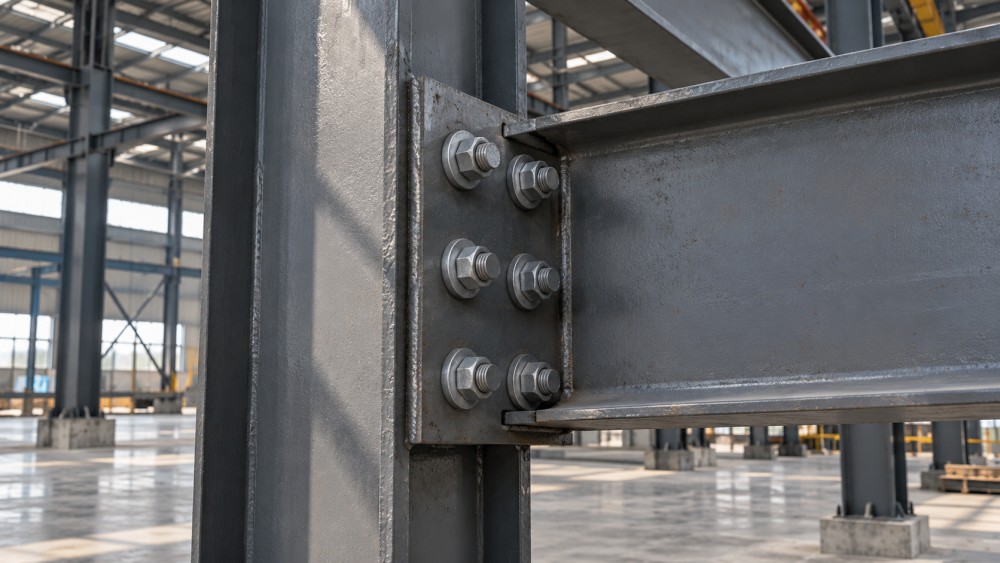
A useful visual comparison at this stage is between the nominal connection geometry and its installed condition: load direction, support boundaries, edge distances, tool access, and inspection space. Those interfaces help explain why two details that look similar on a general arrangement drawing can carry different design costs.
The scope of the deliverables can outweigh the calculation cost
A structural fastening design price is difficult to interpret without a deliverables schedule. “Design included” can mean a brief check of a selected fastener, or it can include calculations, coordinated drawings, specifications, review responses, and installation support. The commercial difference can be substantial even when the physical connection is unchanged.
Before comparing fees, establish what each proposal includes:
- Design basis: applicable requirements, supplied loads, load combinations, material assumptions, and responsibility for confirming the supporting structure.
- Calculations: the checks covered, the level of documentation, and whether independent review is included.
- Drawings and specifications: connection geometry, fastener requirements, tolerances, surface preparation, and installation instructions where needed.
- Coordination: meetings and interfaces with the structural designer, fabricator, equipment supplier, installer, and reviewing authority.
- Review and revision: included submissions, comment responses, and the treatment of changes to previously agreed inputs.
- Verification and support: testing, site attendance, installation queries, and assessment of proposed substitutions or deviations.
Professional responsibility also affects the fee. Advice for concept development carries a different scope from a final design issued for construction. Where local requirements call for a licensed professional’s seal or signature, the proposal should identify who provides it and what they are taking responsibility for. The relevant jurisdiction and intended use of the documents should be established at quotation stage.
Code selection requires similar clarity. A connection must be assessed under requirements appropriate to its application and location. General compliance wording leaves room for disagreement about the governing standard, edition, project specifications, and acceptance process. Providing those requirements early helps the designer price the actual work.
Testing deserves its own scope boundary. Some projects can be assessed using established design methods and suitable product data. Others may require testing because the proposed configuration, loading, substrate, or performance requirement falls outside that basis. Test planning, specimen preparation, laboratory work, witnessing, and interpretation are separate activities; a design fee should state which are included.
A higher proposal may therefore cover work excluded from a lower one. Conversely, additional analysis and documentation should be justified by the project’s needs. Buyers should ask what decision each major activity supports and whether it is required for acceptance, installation, or reliable performance.
Incomplete information shifts cost into assumptions and revisions
The quality of the enquiry package directly affects how confidently a consultant can price the work. If loads, geometry, materials, and acceptance requirements are established, the designer can estimate the remaining effort with greater certainty. If those inputs are still developing, the quote may contain allowances, exclusions, or provisions for additional services.
A low initial fee can become expensive when the project repeatedly changes its design basis. Moving a connection closer to an edge, reducing support thickness, changing the fastener material, or introducing a new load case can invalidate completed checks. The resulting revision may extend beyond the calculation to drawings, specifications, coordination, and review.
For an existing installation, distinguish between information that is documented and information that must be established. Drawings may not fully describe the installed condition. Surveying dimensions, identifying materials, investigating corrosion, or locating reinforcement can require separate work. The quotation should identify who obtains that information and how unresolved conditions will be handled.
A focused enquiry package should provide the following, where available:
- Drawings or models showing the connection and its supporting structure.
- Loads, their directions and points of application, relevant combinations, and whether values are factored or unfactored.
- Service conditions, including cyclic loading, vibration, temperature, and exposure where relevant.
- Material specifications, substrate information, and any required fastening products.
- Installation constraints, fabrication tolerances, inspection needs, and site access limitations.
- Governing requirements, required deliverables, review responsibilities, and programme milestones.
Missing information does not necessarily prevent an enquiry. It should, however, be identified as an open task with an owner. Asking the fastening designer to determine loads or assess the existing support is a legitimate service; it needs to be priced explicitly.
Where major uncertainties remain, a staged appointment can improve cost control. An initial feasibility or design-basis phase can establish the connection concept, information gaps, and likely verification route. Detailed design can then be priced against a more stable brief. This approach is particularly useful when investigation findings could change the proposed fastening method.
Compare the expected completion cost, then agree how changes are priced
Fixed fees are easier to assess when inputs and deliverables are stable. Time-based fees can suit investigation or evolving design, but they benefit from defined tasks, reporting arrangements, and an agreed process for authorizing further work. A capped allowance may help control expenditure, provided the scope remains achievable within it.
Separate the base design fee from uncertain or optional activities. Testing, surveys, additional connection families, extra review rounds, site visits, and redesign following project changes should have clear pricing mechanisms. This makes proposals comparable and gives the project manager a practical way to forecast the cost of completion.
Revision wording deserves particular attention. Correcting an error, responding to a reviewer’s request for clarification, and redesigning after a load increase are different events. The appointment should explain how each is treated. It should also distinguish ordinary coordination from changes to approved geometry or design assumptions.
Programme requirements can affect the quotation. An accelerated delivery date may require additional coordination or parallel work. More importantly, starting detailed design before the inputs are stable can create rework. Ask what information is needed at each milestone and how late changes affect both fee and delivery.
There is no defensible universal price per bolt or connection without a defined scope, location, and responsibility level. For budgeting, request an estimate tied to stated assumptions, with the largest uncertainties identified separately. That provides a stronger basis for approval than an apparently precise figure that leaves investigation, revisions, and validation outside the fee.
Before awarding the work, bring the competing proposals onto the same basis: the same connection families, design inputs, deliverables, review obligations, and treatment of unresolved conditions. The preferred fee should buy a package the team can review, approve, fabricate, and install. Any remaining exclusions should be visible enough to assign an owner and a budget before they become delivery problems.