
USITC Widens 337 Probe Into Smart Fastening
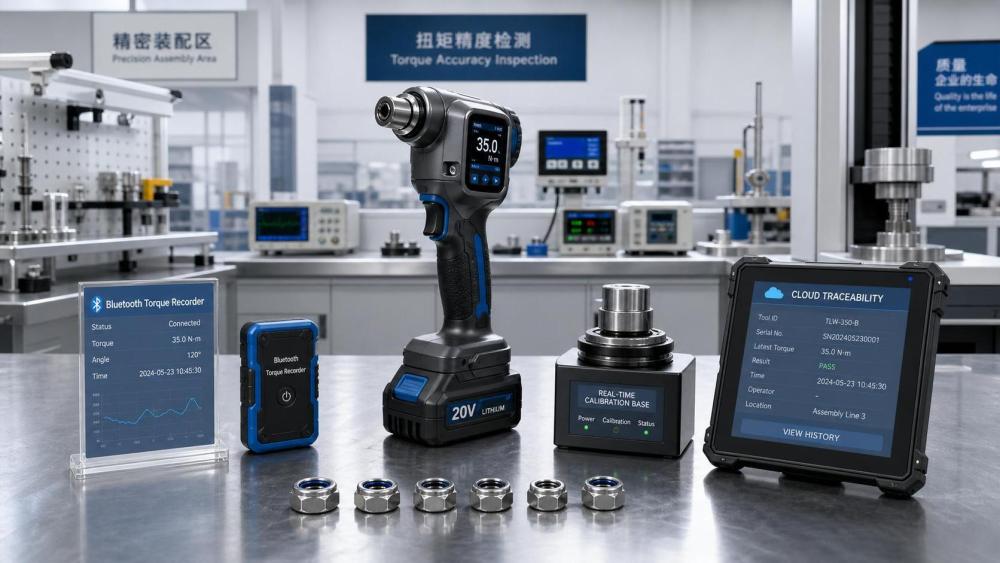
On July 10, 2026, the U.S. International Trade Commission expanded its ongoing Section 337 investigation, Inv. No. 337-TA-1492, to include smart fastening systems with torque traceability functions. The added scope centers on products that combine Bluetooth-enabled torque logging and real-time calibration, with the probe citing possible patent infringement involving firmware architecture and cloud-based audit trails. For exporters, manufacturers, procurement teams, and downstream users connected to brushless Li-ion tools and self-locking nut assemblies using IoT tightening protocols, this is worth close attention because the issue now reaches beyond hardware and into the digital control and record layer attached to fastening systems.
What the expanded scope now covers
Confirmed information shows that the USITC has broadened Inv. No. 337-TA-1492 rather than launching a separate matter. The newly included subject is smart fastening systems that embed torque traceability capabilities, specifically including Bluetooth-based torque logging and real-time calibration functions.
The stated basis for the expansion is potential patent infringement tied to firmware architecture and cloud-based audit trails. The summary provided also makes clear that the expansion affects exporters of brushless Li-ion tools and self-locking nut assemblies integrated with IoT tightening protocols.
Why the impact may spread across more than one business layer
Export-facing suppliers may need to reassess product scope
From an industry perspective, exporters are among the first groups likely to feel the effect because the investigation now expressly reaches products shipped with digital tightening and traceability functions. The practical point to watch is whether a product is being sold simply as a tool or fastener assembly, or as a connected system that includes logging, calibration, and audit-trail capabilities.
Manufacturing teams should look beyond mechanical design
For manufacturers of brushless Li-ion tools and self-locking nut assemblies, the issue may not be limited to physical components. Analysis shows that embedded firmware architecture and cloud-linked recordkeeping are part of the stated concern, which means engineering, software integration, and system validation functions may all come into focus.
Procurement and supply chain coordination may become more document-sensitive
For procurement teams and supply chain service providers, the immediate implication is not a confirmed trade outcome but a higher need for product-level clarity. What deserves closer attention is whether product specifications, supplier declarations, and technical descriptions clearly identify the presence of IoT tightening protocols, torque logging, and calibration features that may place an item closer to the expanded scope.
Downstream users may need clearer communication from vendors
For industrial buyers and end-use enterprises sourcing connected fastening systems, the development matters because traceability functions are often linked to quality control and process documentation. Observably, purchasers may need more precise explanations from vendors about how logging, calibration, and audit-trail functions are structured within the supplied system.
Operational issues companies should watch now
Follow the exact language of later official updates
Analysis shows that the most important near-term task is to track how the investigation scope is described in subsequent official language. Small differences in wording around firmware architecture, cloud-based audit trails, or integrated IoT tightening protocols may matter more than broad product labels.
Identify which SKUs combine hardware with traceability software
Companies dealing in affected categories should distinguish between standard fastening-related products and those sold with Bluetooth torque logging, real-time calibration, or connected audit-trail functions. This is a practical review point for catalogs, quotations, technical files, and cross-border shipment descriptions.
Review supplier and customer communication materials
What deserves closer attention is whether contracts, specification sheets, and compliance documents accurately reflect the digital functions embedded in the product. Where the commercial offer includes connected tightening protocols, businesses may need tighter internal alignment between sales, engineering, and compliance teams.
Prepare for questions around delivery and product configuration
Observably, firms exposed to U.S.-linked trade flows may need contingency preparation around shipment planning, product configuration choices, and customer communication. This does not establish a final restriction, but it does increase the value of having a clear record of which configurations include the functions named in the expanded probe.
How this development is best interpreted at this stage
As an editorial observation, this development is more than a narrow update on fastening hardware. It suggests that in this investigation, the contested boundary may include the digital architecture attached to industrial tools and assemblies, not only the mechanical product itself.
At the same time, it is more appropriate to understand this as an active procedural development rather than a settled market outcome. The confirmed fact is the expansion of scope within an ongoing USITC investigation; broader commercial consequences still require continued observation and should not be treated as final at this stage.
A practical reading for the market
The significance of this update lies in where the investigation now places its attention: connected fastening systems with traceability, calibration, and audit features. For the industry, the key takeaway is not to overstate immediate conclusions, but to recognize that products combining mechanical fastening functions with firmware and cloud-based records may face closer scrutiny within trade and IP contexts.
Current conditions make it more appropriate to view this as an important signal that warrants follow-up, especially for exporters and suppliers operating in smart fastening and IoT-enabled tightening workflows, rather than as a definitive result.
Basis of this article and points still requiring verification
This article is based on the user-provided news title, event date, and event summary concerning the July 10, 2026 expansion of USITC investigation Inv. No. 337-TA-1492. The analysis above is limited to that provided information and does not rely on additional unverified claims.
For this type of development, source types commonly relevant to ongoing verification include official agency notices, company statements, industry association updates, authoritative media coverage, and standards-related documents. A specific official source link was not provided in the input, so the exact wording and any later procedural updates still need continued verification. Follow-up attention should focus on subsequent official descriptions of scope, affected product definitions, and any procedural milestones tied to the investigation.